It takes work to launch a successful product, but it doesn’t have to be a gamble. Before spending a lot of time and money, there is a way to test the waters, validate your idea, and get important user feedback. That is the potential of a Minimum Viable Product (MVP), a planned initial move that closes the gap between idea and execution.
An MVP, often known as “version one” of a software-as-a-service (SaaS) product, digital platform, or app, enables you to introduce your solution to actual consumers and obtain insightful feedback that will help you improve it.
We’ll walk you through the steps involved in creating an MVP in this quick-start tutorial. We’ll also go over best practices for quickening your success and clarify what makes an MVP unique from other approaches.
What’s the Difference Between a Prototype and an MVP?
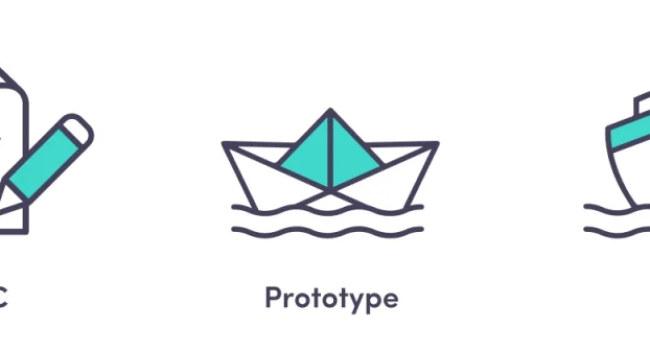
Consider an MVP and a prototype as two distinct points on a timeline representing the testing and vetting process. An MVP is a working product; a prototype is a less-developed form of an idea. They are comparable in that they are both instruments for obtaining important buy-in and support, but they accomplish this with various audiences and in different ways.
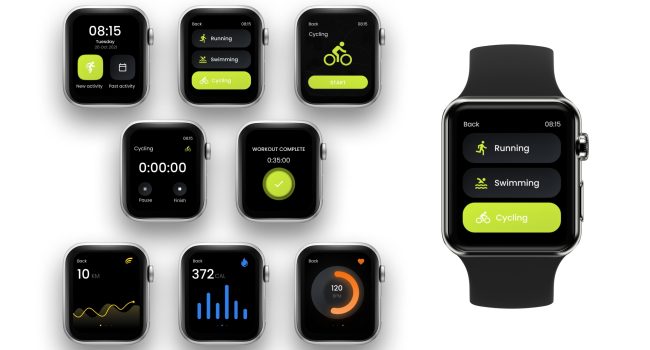
A product mockup is called a prototype. Users can interact with interactive prototypes to verify the user experience and get feedback on the product’s user interface. Product prototyping is a frequent use case for tools like Figma. Developing an MVP requires investor support, which is frequently obtained through prototypes.
Prototypes answer questions like:
- Is my user interface design easily navigable?
- Do users find the product interface intuitive?
- Is the flow of my app smooth?
- Does my information architecture need to be adjusted?
- Are there areas where users behave or react to the design differently than expected?
An app or digital product in its early stages is called a minimum viable product, or MVP. MVPs validate business models and value propositions, whereas prototypes aid in validating the user experience of a product. An MVP is a valuable instrument for validating a product; it may show investors and other relevant parties why the business plan is worthwhile.
MVPs answer questions like:
- Does this product help users achieve the stated goal?
- To what extent is the product gaining traction with users?
- Is my business model viable?
- Does the product provide value to users?
- Which underlying assumptions in my business model are correct/incorrect?
How Long Does it Take to Build an MVP?
Previous validation methods, such as prototypes or proofs of concept, can be completed in a matter of days or weeks. However, you should budget at least a few months for creation of an MVP. Naturally, the specific amount of time required to develop an MVP will vary depending on the product, the market, and the underlying presumptions of your concept.
Nevertheless, creating an MVP ought to go really quickly. It’s likely that poor feature prioritization caused your MVP to take longer to create than four months or so. Adding too many bells and whistles to your MVP can hinder its ability to validate the business model. The best outcomes will come from a targeted, streamlined strategy.
Stages to Build an MVP
There are four main stages involved in creating an MVP, regardless of the idea or business. Follow these steps to help you design your MVP and maintain a lean, goal-focused process.
1. Validate Product Ideas
Take a step back and assess whether your product ideas are worth pursuing before writing a single line of code. This step entails conducting in-depth research on your target market, industry, and problem that you hope to solve.
Idea validation could involve researching industry forums to discover if anyone is searching for a solution similar to yours, analyzing competitors through a competitive analysis, or interviewing members of your target market to learn about their problems.
This stage is essential to make sure you don’t waste money on a product for which there is no market.
2. Define & Build Your MVP
It’s time to specify the main features your MVP will include when you’ve had an opportunity to test your ideas. Keep in mind that an MVP is a trimmed-down version of your software. It should only include the features and functionalities required to meet your stated objectives. Other “nice-to-have” ideas are always something you can add later.
Once important features have been prioritised, divide them up into manageable “sprints” of work. Make time for cross-functional cooperation during the product development process. Using an agile and iterative development methodology can expedite your time to market and facilitate the refinement of your idea as you go.
Relying on pre-existing development frameworks and libraries can help you build your MVP more quickly. You can reduce development expenses by utilizing proven technologies.
3. Test & Measure the Success of Your MVP
Now that your MVP is finished, it’s time to test it. Genuine user reviews are extremely valuable for your product. Try to reach as many beta testers in your intended market as you can with your software. Their opinions can support your course and bring out areas of weakness or opportunity.
In the end, the clarity testing and analysis reduces the risk of future investments and gives the iteration process focus and clarity.
4. Product Evolution & Iteration
Your final product won’t look like your MVP. It’s likely that the product may undergo substantial changes in response to consumer input and your analysis. It’s alright! There is never a fully “finished” digital project when you embrace the iterative process. You may maintain your product’s alignment with user needs and wants by using a continuous improvement method.
As you would with features during the definition stage, decide which enhancements are most important for your product’s success. Then, over time, progressively notify consumers of updates and modifications. The best digital goods are invariably enquiring, “How might we provide even more value to our customers?”
Build Your MVP with XR Studios
The remedy for cumbersome, inefficient waterfall development is XR Studio‘s exclusive method. Through the use of the lean startup methodology, we assist businesses of all sizes in developing a concept into a comprehensive plan of action to create your V1. We’ll work with you to make your MVP ready for real users to test, with a clear vision and a task backlog ready for development. To find out more about our special approach, our history of success, and how we can assist, schedule a free consultation.
Conclusion
Creating an MVP is a terrific method to get software success faster. You may develop a really user-centric product that appeals to your target market by gathering and implementing input, testing your ideas, ranking important features, and adopting an iterative process. Recall that an MVP is a fantastic method to properly launch your product—it is not the ultimate aim.