With the fashion industry always changing, technology has become a necessary component of the buying experience. Retailers are using the potential of applications to improve customer interaction and expedite the shopping experience as a result of the proliferation of smartphones and the continual connectivity they offer. In order to provide customers with a smooth and customized shopping experience, this article will examine the expanding trend of fashion technology and how merchants are adopting the app phenomena.
The Rise of Fashion Tech Apps
The fashion industry has seen a notable change in the way that technology is being integrated into the purchasing experience in recent years. Stores that were once exclusively focused on traditional brick-and-mortar locations have realized that they can also contact customers through their mobile devices. Numerous fashion tech apps have emerged as a result of this change, all aimed at meeting the demands and tastes of contemporary consumers.
Personalized Shopping Experience
The capacity of fashion tech apps to provide a customised shopping experience is a major factor in their appeal. These applications examine browser history, past purchases, and user preferences using sophisticated algorithms and artificial intelligence. Equipped with this data, merchants may customise discounts and product recommendations to meet individual preferences, increasing customer satisfaction and streamlining the shopping process.
Imagine being informed of unique discounts on your favourite brands or getting outfit recommendations that are carefully chosen based on your past purchases and style preferences—all from the comfort of a mobile app. This degree of customisation builds brand loyalty in addition to improving client satisfaction.
Virtual Try-Ons and Augmented Reality
Augmented reality (AR) and virtual try-on capabilities are also being added to fashion tech apps to transform the way customers engage with products online. Users may see how clothes will fit them without actually trying them on thanks to virtual try-on tools. This feature not only makes returns less likely, but it also makes shopping more enjoyable and interactive.
In addition, immersive shopping experiences are being made possible by the use of augmented reality. Before making a purchase, users of certain apps can digitally arrange furniture or décor items in their homes. AR is utilised in the fashion industry to overlay apparel products onto a user’s photograph, giving a realistic sneak peek at how the item will fit and seem.
Streamlined Purchasing Process
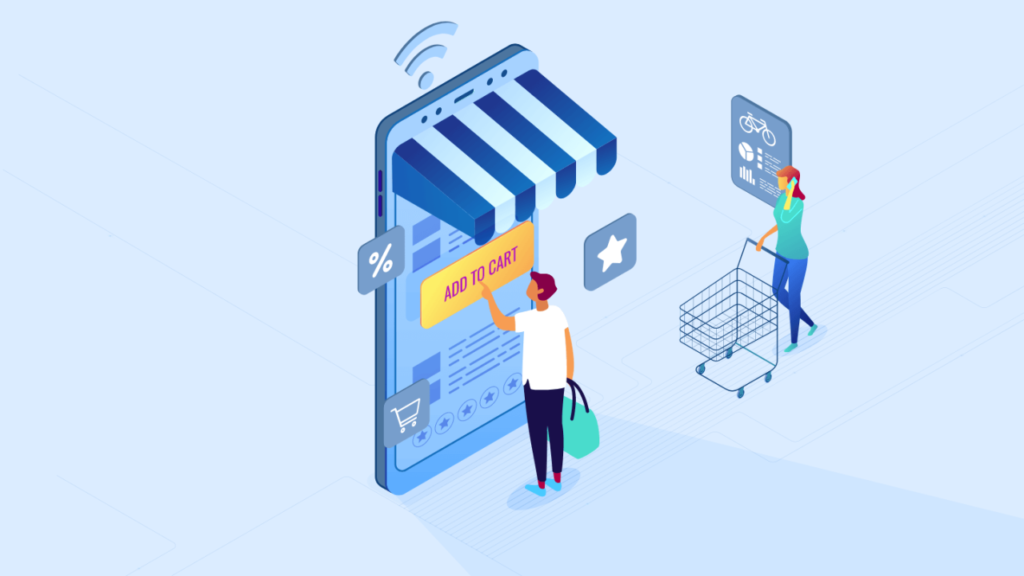
Fashion tech apps are becoming more and more popular due to the ease of mobile shopping. Retailers are always improving their apps to guarantee a seamless and effective shopping experience. These apps are made to be as hassle-free as possible to use, from intuitive interfaces to safe and easy payment methods.
Through integration with digital wallets like Apple Pay and Google Pay, customers can quickly and securely complete purchases with a few screen taps. A lot of fashion tech apps also have features like one-click checkout and saved payment details, which cut down on the time and effort needed to finish a transaction.
Social Commerce and Community Building
Fashion tech applications aim to promote social connection and a sense of community in addition to improving individual purchasing experiences. A lot of apps have social commerce functions that let users establish wish lists, discuss their best finds, and even decide what to buy together with friends or followers.
These social components are an effective marketing strategy for retailers in addition to improving the entire buying experience. User-generated material can influence prospective customers’ purchase decisions by fostering a sense of authenticity and trust through reviews, images, and styling advice.
XR Studios and Innovative Applications
The fashion tech sector is poised to witness further inventive applications as technology progresses. Leading innovator in the field of extended reality technology, XR Studios is creating ground-breaking apps that have the potential to completely transform how we engage with fashion.
In order to create immersive and engaging experiences in the fashion tech sector, XR Studios is diligently attempting to leverage extended reality (XR), which comprises virtual reality (VR) and augmented reality (AR). By combining technology and fashion, XR Studios seeks to push the limits of what is feasible in the realm of virtual fashion shows and augmented reality-powered shopping assistants.
Conclusion
In conclusion, merchants are rapidly leveraging the app phenomenon to provide their customers streamlined, personalized, and engaging experiences, signaling the start of the fashion digital revolution. The future of the fashion and technology business is expected to be shaped by the partnership between XR Studios and its creative applications, which is a prime example of how technology and fashion can work together to provide exciting opportunities for retailers and customers alike. We are only at the beginning of the journey towards a more immersive and connected shopping experience.