In the current digital era, where convenience is paramount, mobile payment applications have grown in popularity. Using your smartphone, you may divide expenses with friends, pay for groceries, and even make online purchases with a few touches. But security worries accompany this convenience. Are mobile payment apps secure? Let’s investigate this issue and look at the many security facets of these applications.
Understanding Mobile Payment Apps
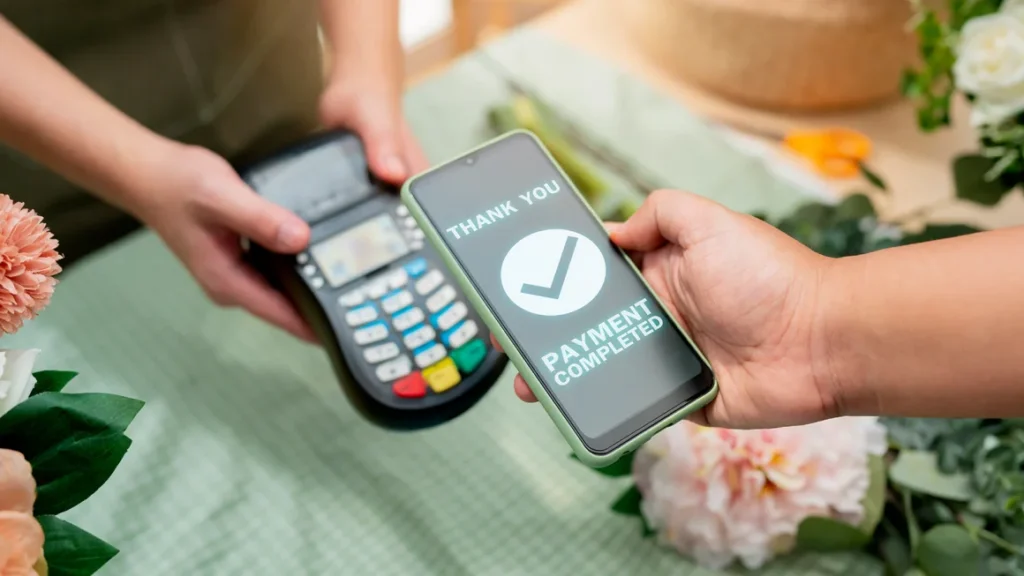
Users can safely keep their credit card, debit card, or bank account information directly on their cellphones with mobile payment apps, often known as digital wallets or e-wallets. Whether making purchases online or in real stores, people can make transactions with ease by utilising these apps. Users will benefit from increased convenience and efficiency as a result of this streamlined process, which does away with the need to physically swipe a card or manually enter payment information for each transaction.
Mobile payment apps employ a number of strong security methods to give customers’ financial information top priority, including:
Encryption
Encryption technology is one of the main security features used by trustworthy mobile payment apps. Sensitive information is scrambled by encryption, which serves as a barrier that prevents unauthorized individuals from understanding it. Without the right decryption key, encrypted data is illegible even if intercepted. This guarantees that the financial data of users—including credit card numbers and transaction information—is protected from potential hacks.
Tokenization
Tokenization is another essential security element that substitutes distinct tokens for sensitive data. For example, tokens that have no inherent value are used by hackers to replace credit card numbers. During transactions, these tokens serve as stand-ins, essentially hiding the user’s real financial information. Mobile payment apps increase security by employing tokenization, which lowers the possibility of unwanted access to private data.
Biometric Authentication
Biometric identification features, such fingerprint or facial recognition, are available in a lot of mobile payment apps. By using distinctive biological characteristics to verify the user’s identity, biometric authentication improves security. To guarantee that only authorized users can access the app and complete transactions, these methods require a physical property, like a fingerprint scan or facial recognition. By adding a customized layer of security, biometric authentication greatly lowers the possibility of unauthorized access to private financial information.
Two-Factor Authentication (2FA)
As an extra security precaution, several mobile payment apps use two-factor authentication (2FA). By requiring two forms of verification from users prior to completing a transaction, 2FA strengthens the authentication process. Users usually get an email or SMS with a one-time code that they need to provide in addition to their regular login information. Because a malicious party would still require the second form of verification in order to complete the transaction, this extra step serves as a barrier against unauthorized access.
Transaction Notifications
Another essential component of the security of mobile payment apps is real-time transaction alerts. Every transaction made using the app triggers an instant alert to the user, allowing them to quickly see any unauthorized or questionable behavior. When they get these alerts about possible security breaches, users are empowered to respond quickly by freezing their account or getting in touch with customer service. Mobile payment apps enable consumers to properly monitor their accounts and reduce risks by giving them transparent and timely updates on transaction activity.
Mobile payment apps aim to provide a safe and secure environment for users to perform financial transactions by putting these strong security features in place. A multi-layered defence mechanism against potential security risks is formed by tokenization, biometric authentication, two-factor authentication, encryption, and transaction notifications working together. Users must, however, exercise caution and follow best practices for safe mobile payment methods, which include utilising reputable apps, updating software, and protecting their devices with biometric or strong password verification.
Potential Risks and Vulnerabilities
Even with robust security measures in place, there are still a number of dangers and vulnerabilities associated with mobile payment apps. These weaknesses may put consumers at risk for various dangers, such as:
Cyber Attacks
Hackers are skilled at obtaining unauthorized access to customers’ financial information by taking advantage of flaws in the security infrastructure of mobile payment apps. They use advanced strategies to get past the app’s security measures and take private information, including credit card numbers and bank account information.
Phishing Scams
Cybercriminals frequently employ phishing scams to deceive victims into disclosing their login passwords and other private information. Fraudulent emails, texts, or phone calls that seem to be from reliable sources—like the provider of the mobile payment app—are frequently used in these scams. Users who aren’t cautious may unintentionally provide personal information that can be exploited for malicious purposes.
Lost or Stolen Devices
A user’s smartphone can provide a serious security risk if it is misplaced or stolen, especially if it is not properly secured. The mobile payment app that is installed on the device could be accessed by unauthorized users if it is not protected by a strong password or biometric authentication. unauthorized access to the user’s financial accounts and fraudulent activities may result from this.
Malware and Spyware
When using apps for mobile payments, consumers’ security might be seriously threatened by malicious software, such as spyware and malware. Without the user’s awareness, these harmful programs have the ability to infect their device and steal sensitive data, such as credit card numbers and login passwords, as the user enters it into the mobile payment app. Cybercriminals receive this information after which they might use it to their financial advantage.
These dangers emphasize how crucial it is to use extra security measures and exercise caution when utilising apps for mobile payments in order to protect sensitive financial and personal data. In order to improve their security posture, users should use security features like biometric authentication and transaction monitoring, update their devices and apps often to guard against known vulnerabilities, and exercise caution when sharing sensitive data online. Users can lessen the possibility of being victims of cyberattacks and benefit more from the ease of mobile payments with more peace of mind by adopting proactive measures to reduce risks.
Tips for Secure Mobile Payments
Users can adhere to the following best practices in order to reduce the risks connected with mobile payment apps:
Use Trusted Apps
Choose well-known, trustworthy mobile payment apps that have a solid security reputation.
Keep Apps Updated
Make sure the mobile payment app has the most recent security patches and updates installed at all times.
Enable Security Features
Profit from the app’s security features, which include transaction notifications and biometric authentication.
Be Cautious of Phishing Attempts
Refrain from responding to unwanted emails or texts with sensitive information or clicking on dubious links.
Protect Your Device
To secure your smartphone, use PINs, strong passwords, or biometric authentication. You can also activate remote tracking and wiping in case your smartphone becomes lost or stolen.
Monitor Your Accounts
Examine your transaction history on a regular basis, and keep an eye out for any unusual activity in your bank accounts.
XR Studios towards innovation
Users can reduce the possibility of being victims of fraudulent activity by being aware of potential hazards, comprehending the security measures in place, and adhering to best practices. Developers of mobile payment apps are always implementing new security features as technology advances. For example, XR Studios never stops developing cutting-edge apps that put user security first and try to keep ahead of new risks in the digital world.
Conclusion
In conclusion, even if mobile payment apps are effective and convenient, users must always be on the lookout for security. The security of mobile payment apps in this dynamic digital environment depends not just on developers’ work but also on users’ knowledge and proactive steps to safeguard their financial data. In today’s hectic world, mobile payment apps can provide a safe and practical way to handle transactions if the proper security measures are taken.