The web application development process follows a series of well-defined steps to ensure it is executed correctly and results in a high-quality, functional product that meets user needs and business goals. In this article, you’ll find a detailed description of each crucial stage involved.
According to a report by Grand View Research, the global web application firewall market size was valued at $4.9 billion in 2022 and is projected to expand at a Compound Annual Growth Rate (CAGR) of 16.8% from 2023 to 2030. This growth is driven by the rising demand for secure and robust web applications.
Importance of Web Application Development Process
The development of web applications is an essential step in producing digital products that are both profitable and useful. The importance of the web application development process is demonstrated by the following main points:
User Experience Optimization: To make sure the finished product offers a great user experience, the web application development process includes in-depth user research, prototyping, and iterative design. This entails tailoring the navigation, design, and general usability to the target audience’s requirements and preferences.
Scalability and Reliability: To create web applications that are scalable, responsive, and reliable, the development process integrates best practices and architectural patterns. This guarantees that the program will not lose stability or performance when dealing with traffic surges, growing user demands, or changing requirements.
Maintainability and Extensibility: The development approach places a strong emphasis on producing modular, easily extensible, and well-documented code that is future-proof. This makes it possible for updates, bug patches, and new features to be added to the application without interruption.
Collaboration and Communication: A number of stakeholders, including designers, developers, project managers, and clients, work closely together throughout the web application development process. This guarantees clear communication, goal alignment, and the delivery of a product that satisfies user and customer needs.
Reducing Risks: A defined web application development process maximises resource utilisation, minimises risks, and streamlines the project. Time and resources are spent more wisely as a result, enhancing project outcomes and raising return on investment.
Steps of Web Application Development
Our web application development process consists of seven primary processes that we have determined from our vast knowledge and work in this area.
Let’s now examine this procedure in more detail to see how it works in real life:
Phase 1: Arranging
The foundation for the entire web application project is laid during the planning phase. Here, the team defines the objectives, parameters, and scope of the project in close collaboration with stakeholders. They compile thorough requirements, make a schedule and budget, and assign the required staff—developers and designers, for example. This important initial stage guarantees that all parties are in agreement and positions the project for success.
Phase 2: Design
After the planning stage is finished, the team proceeds to the design stage. To produce wireframes, mockups, and a unified visual identity for the program, designers work in tandem with developers. In order to support the functioning of the app, they also plan the database structure and architecture. The team can provide a user experience that is consistent with the brand and both intuitive and aesthetically pleasing by devoting time to design.
Stage 3: Development
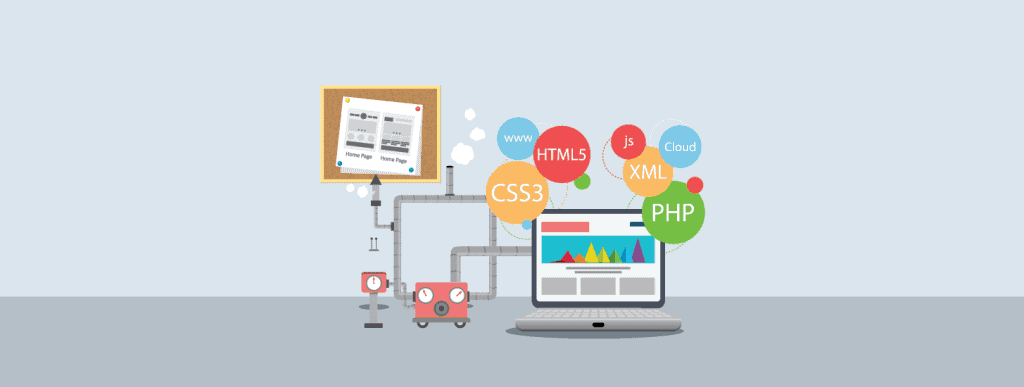
Armed with a solid plan and design, the developers begin building the web application. They leverage various frameworks and programming languages to create the frontend and backend components, ensuring they work together seamlessly. Throughout this stage, the team follows best practices, maintains open communication, and addresses any challenges that arise.
Stage 4: Testing
Ensuring the quality and reliability of the web application is the primary focus of the testing phase. The team conducts a range of tests, including unit, integration, and user acceptance testing, to identify and resolve any issues or defects before deployment. Security testing is also a crucial component, helping to safeguard the application and its users.
Stage 5: Deployment
Once the testing is complete, the web application is ready for deployment. This phase involves preparing the necessary infrastructure, registering a domain, and making the app accessible to end-users. Continuous monitoring and maintenance are essential during this stage to ensure smooth operation and address any post-launch concerns.
Stage 6: Maintenance and Updates
The web application development process doesn’t end with deployment. The team regularly monitors the app’s performance, implements bug fixes and security patches, and collaborates with stakeholders to plan and execute major feature updates and redesigns. This ongoing maintenance keeps the application relevant, secure, and aligned with evolving user needs and market trends.
Stage 7: Continuous Improvement
The final stage is a commitment to continuous improvement. The team analyzes user data, feedback, and market trends to identify areas for enhancement and optimization. By implementing iterative changes and exploring new technologies, the development team can ensure the web application remains user-centric, adaptable, and competitive in the market.
What is Expected from the Company Owner During?
- Unambiguous Vision and Goals: The project’s aims, goals, and anticipated results should be outlined in a clear vision provided by the business owner. The development team’s alignment with the company’s strategic vision is facilitated by this clarity.
- Resource Allocation: Assign the project’s supporting personnel and financial resources. Budgeting for development expenses, personnel, and any necessary new tools or technologies are all included in this.
- Project Leadership: Although daily project management may be assigned, the business owner should exercise decision-making and high-level leadership. They ought to be able to decide strategically and resolve pressing problems.
- Effective Communication: Continue to communicate with the development team openly and honestly. Communicate with stakeholders and project managers regularly to get updates, resolve issues, and offer advice.
- Manage the project: It scope to make sure it stays in line with the goals of the business. Understand the possible effects on deadlines and finances and be ready to make judgments on scope changes.
- Resource Access: Provide the development team with access to the company’s subject matter experts, data, and essential resources. Encourage cooperation and information exchange.
- User Input: Promote user participation and give end users access so they may test and provide input. This guarantees the program satisfies the requirements and expectations of the user.
- Timely Approvals: Respond promptly to decisions, comments, and requests for approvals. Budgets and timetables for projects might be affected by delays in clearances.
- Risk management: Work together to identify and reduce project risks with the development team. Be ready to handle unforeseen difficulties and modify the project strategy as necessary.
- Recognize the significance of testing and quality assurance in the development process. Encourage extensive testing and make sure the program satisfies quality requirements.
- Long-Term Vision: Take into account the web application’s long-term viability and development. Talk about plans for regular upkeep, upgrades, and possible additions in the future.
- Feedback and Adaptation: Remain receptive to criticism and flexible in light of new information and advancements. Successful cooperation is cultivated through efficient coordination with the development team.
XR Studios: a leading web application development company
It is worth mentioning that we have presented this process based on our experience at XR Studios, a leading web application development company. While the core principles remain consistent, the specific implementation may differ slightly depending on the technological partner’s work system and methodologies.
Want to start a successful web application development process and bring your idea to life?
Contact XR Studios, and our team of experienced professionals will guide you through every step, from conceptualization to deployment and maintenance. With our expertise and commitment to following industry best practices, we ensure that your web application not only meets but exceeds your expectations.
Conclusion
As you can see, the web application development process is a comprehensive, well-planned activity that covers the entire product lifecycle. We hope that this article has helped you understand the business value of each stage and learn the most important definitions.